


업체명 : NHS: The Family They Never Had
페이지 정보
담당자 Michal Pitre 작성일25-10-18 03:52관련링크
본문
Among the organized chaos of medical professionals in Birmingham, a young man named James Stokes moves with quiet purpose. His smart shoes barely make a sound as he greets colleagues—some by name, others with the universal currency of a "hello there."

James displays his credentials not merely as institutional identification but as a symbol of acceptance. It rests against a well-maintained uniform that betrays nothing of the challenging road that led him to this place.
What separates James from many of his colleagues is not visible on the surface. His demeanor discloses nothing of the fact that he was among the first participants of the NHS Universal Family Programme—an effort created purposefully for young people who have experienced life in local authority care.
"I found genuine support within the NHS structure," James explains, his voice steady but tinged with emotion. His statement summarizes the core of a programme that aims to revolutionize how the enormous healthcare system perceives care leavers—those frequently marginalized young people aged 16-25 who have emerged from the care system.
The numbers tell a troubling story. Care leavers frequently encounter higher rates of mental health issues, economic uncertainty, accommodation difficulties, and lower academic success compared to their contemporaries. Behind these cold statistics are human stories of young people who have navigated a system that, despite best intentions, regularly misses the mark in offering the supportive foundation that shapes most young lives.
The NHS Universal Family Programme, launched in January 2023 following NHS England's pledge to the Care Leaver Covenant, represents a profound shift in institutional thinking. At its core, it acknowledges that the whole state and civil society should function as a "communal support system" for those who haven't experienced the constancy of a typical domestic environment.
Ten pioneering healthcare collectives across England have led the way, creating frameworks that reimagine how the NHS—one of Europe's largest employers—can open its doors to care leavers.
The Programme is meticulous in its strategy, starting from detailed evaluations of existing practices, establishing governance structures, and securing senior buy-in. It understands that successful integration requires more than noble aims—it demands practical measures.
In NHS Birmingham and Solihull ICB, where James began his journey, they've established a regular internal communication network with representatives who can deliver assistance and counsel on personal welfare, HR matters, recruitment, and EDI initiatives.
The standard NHS recruitment process—structured and possibly overwhelming—has been thoughtfully adapted. Job advertisements now focus on attitudinal traits rather than numerous requirements. Application procedures have been redesigned to consider the unique challenges care leavers might encounter—from not having work-related contacts to struggling with internet access.
Perhaps most significantly, the Programme acknowledges that starting a job can present unique challenges for care leavers who may be managing independent living without the backup of parental assistance. Issues like transportation costs, proper ID, and bank accounts—assumed basic by many—can become substantial hurdles.
The brilliance of the Programme lies in its meticulous consideration—from explaining payslip deductions to providing transportation assistance until that crucial first payday. Even apparently small matters like coffee breaks and professional behavior are deliberately addressed.
For James, whose career trajectory has "transformed" his life, the Programme offered more than work. It gave him a perception of inclusion—that elusive quality that emerges when someone feels valued not despite their background but because their particular journey enriches the organization.
"Working for the NHS isn't just about doctors and nurses," James comments, his eyes reflecting the modest fulfillment of someone who has discovered belonging. "It's about a collective of different jobs and roles, a group of people who really connect."
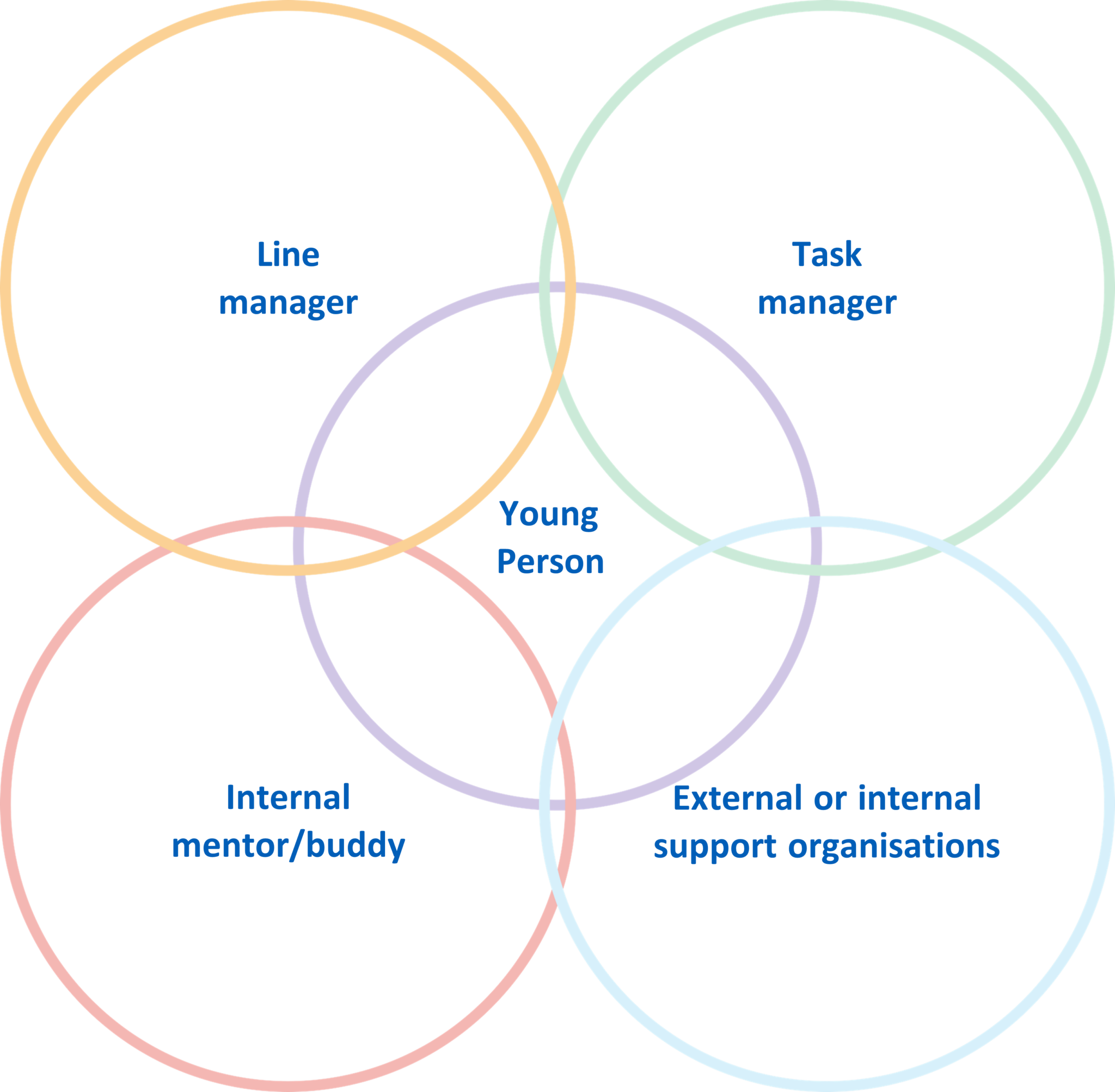
The NHS Universal Family Programme exemplifies more than an work program. It functions as a powerful statement that organizations can evolve to embrace those who have experienced life differently. In doing so, they not only alter individual futures but improve their services through the special insights that care leavers bring to the table.
As James navigates his workplace, his involvement subtly proves that with the right help, care leavers can flourish in environments once considered beyond reach. The arm that the NHS has extended through this Programme signifies not charity but recognition of overlooked talent and the profound truth that everyone deserves a family that believes in them.