


업체명 : NHS: A Universal Embrace
페이지 정보
담당자 Vern De Salis 작성일25-10-14 15:59관련링크
본문
Within the bustling halls of an NHS hospital in Birmingham, a young man named James Stokes navigates his daily responsibilities with subtle confidence. His smart shoes move with deliberate precision as he acknowledges colleagues—some by name, others with the universal currency of a "good morning."
James carries his identification not merely as institutional identification but as a declaration of inclusion. It hangs against a pressed shirt that gives no indication of the tumultuous journey that brought him here.
What separates James from many of his colleagues is not visible on the surface. His demeanor gives away nothing of the fact that he was among the first recruits of the NHS Universal Family Programme—an effort designed specifically for young people who have spent time in care.
"I found genuine support within the NHS structure," James explains, his voice controlled but tinged with emotion. His observation encapsulates the core of a programme that aims to revolutionize how the enormous healthcare system views care leavers—those frequently marginalized young people aged 16-25 who have graduated out of the care system.
The statistics tell a troubling story. Care leavers commonly experience poorer mental health outcomes, economic uncertainty, accommodation difficulties, and lower academic success compared to their age-mates. Beneath these cold statistics are personal narratives of young people who have traversed a system that, despite genuine attempts, frequently fails in offering the supportive foundation that shapes most young lives.
The NHS Universal Family Programme, initiated in January 2023 following NHS England's pledge to the Care Leaver Covenant, represents a profound shift in institutional thinking. At its heart, it acknowledges that the entire state and civil society should function as a "communal support system" for those who haven't known the security of a typical domestic environment.
Ten pioneering healthcare collectives across England have charted the course, establishing systems that reconceptualize how the NHS—one of Europe's largest employers—can extend opportunities to care leavers.
The Programme is meticulous in its strategy, starting from comprehensive audits of existing procedures, forming management frameworks, and obtaining executive backing. It understands that meaningful participation requires more than noble aims—it demands concrete steps.
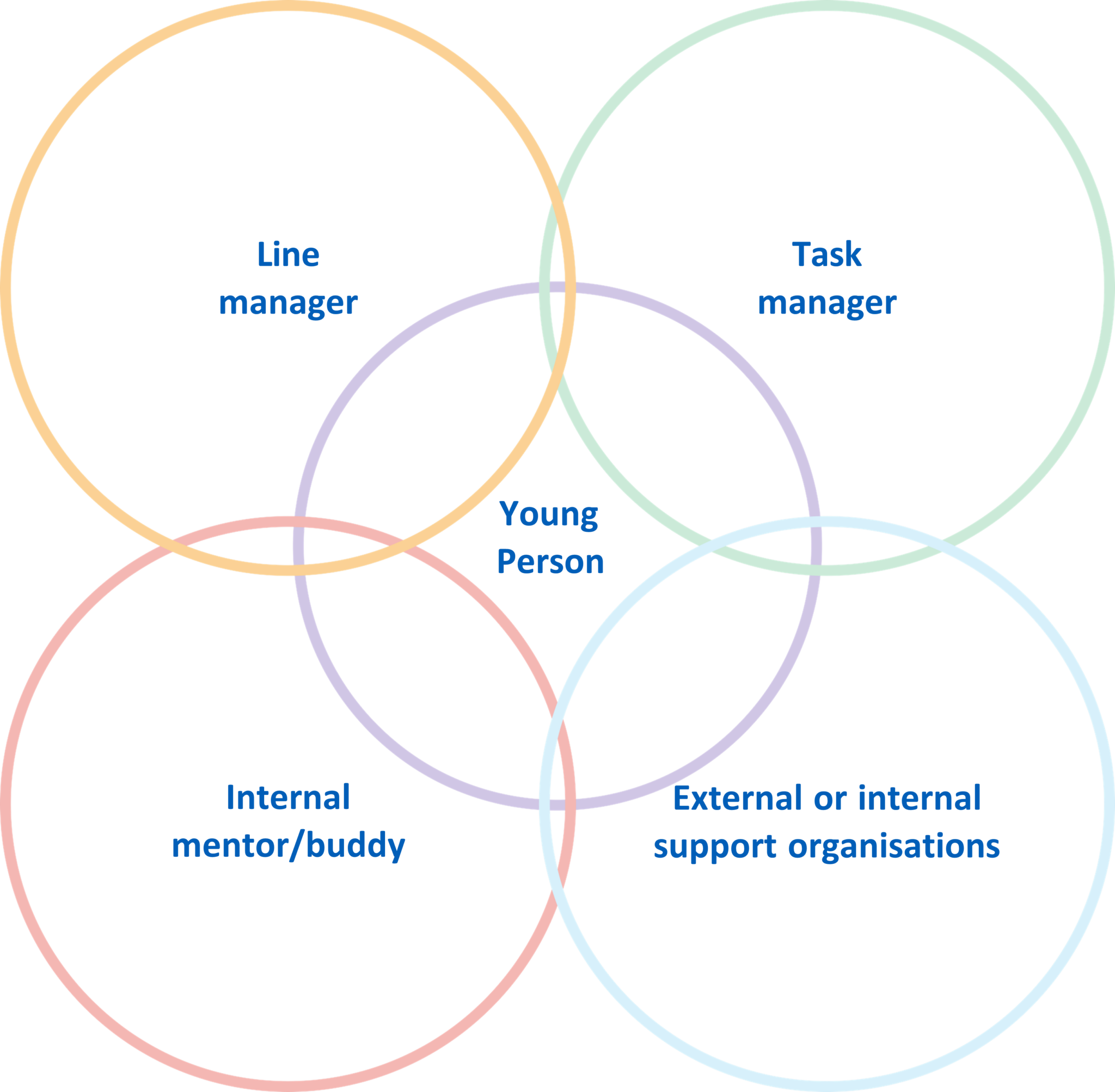
In NHS Birmingham and Solihull ICB, where James found his footing, they've created a regular internal communication network with representatives who can deliver assistance and counsel on personal welfare, HR matters, recruitment, and inclusivity efforts.
The standard NHS recruitment process—structured and potentially intimidating—has been carefully modified. Job advertisements now emphasize personal qualities rather than extensive qualifications. Application procedures have been reconsidered to accommodate the specific obstacles care leavers might experience—from lacking professional references to facing barriers to internet access.
Possibly most crucially, the Programme acknowledges that starting a job can present unique challenges for care leavers who may be managing independent living without the backup of parental assistance. Issues like travel expenses, proper ID, and banking arrangements—assumed basic by many—can become significant barriers.
The brilliance of the Programme lies in its attention to detail—from explaining payslip deductions to helping with commuting costs until that crucial first salary payment. Even ostensibly trivial elements like coffee breaks and professional behavior are thoughtfully covered.
For James, whose NHS journey has "transformed" his life, the Programme provided more than a job. It provided him a feeling of connection—that elusive quality that develops when someone is appreciated not despite their history but because their unique life experiences improves the workplace.
"Working for the NHS isn't just about doctors and nurses," James comments, his expression revealing the quiet pride of someone who has secured his position. "It's about a family of different jobs and roles, a family of people who truly matter."
The NHS Universal Family Programme represents more than an employment initiative. It functions as a powerful statement that organizations can adapt to embrace those who have navigated different paths. In doing so, they not only change personal trajectories but enhance their operations through the special insights that care leavers provide.
As James navigates his workplace, his involvement subtly proves that with the right assistance, care leavers can succeed in environments once thought inaccessible. The support that the NHS has offered through this Programme symbolizes not charity but recognition of overlooked talent and the fundamental reality that each individual warrants a family that supports their growth.