

업체명 : NHS: A Universal Embrace
페이지 정보
담당자 Ava Newkirk 작성일25-10-13 05:56관련링크
본문
In the sterile corridors of Birmingham Women's and Children's NHS Foundation Trust, a young man named James Stokes carries himself with the measured poise of someone who has found his place. His oxford shoes barely make a sound as he greets colleagues—some by name, others with the familiar currency of a "hello there."
James carries his identification not merely as institutional identification but as a testament of belonging. It hangs against a pressed shirt that betrays nothing of the tumultuous journey that led him to this place.

What sets apart James from many of his colleagues is not obvious to the casual observer. His demeanor discloses nothing of the fact that he was among the first beneficiaries of the NHS Universal Family Programme—an undertaking designed specifically for young people who have been through the care system.
"I found genuine support within the NHS structure," James says, his voice steady but carrying undertones of feeling. His observation captures the essence of a programme that seeks to transform how the enormous healthcare system approaches care leavers—those vulnerable young people aged 16-25 who have emerged from the care system.
The figures paint a stark picture. Care leavers often face greater psychological challenges, financial instability, accommodation difficulties, and diminished educational achievements compared to their age-mates. Underlying these cold statistics are individual journeys of young people who have navigated a system that, despite good efforts, often falls short in delivering the supportive foundation that shapes most young lives.
The NHS Universal Family Programme, established in January 2023 following NHS England's promise to the Care Leaver Covenant, signifies a substantial transformation in institutional thinking. At its core, it acknowledges that the entire state and civil society should function as a "collective parent" for those who have missed out on the security of a traditional family setting.
Ten pathfinder integrated care boards across England have charted the course, developing structures that reimagine how the NHS—one of Europe's largest employers—can create pathways to care leavers.
The Programme is thorough in its strategy, starting from detailed evaluations of existing policies, forming management frameworks, and obtaining leadership support. It understands that successful integration requires more than noble aims—it demands tangible actions.
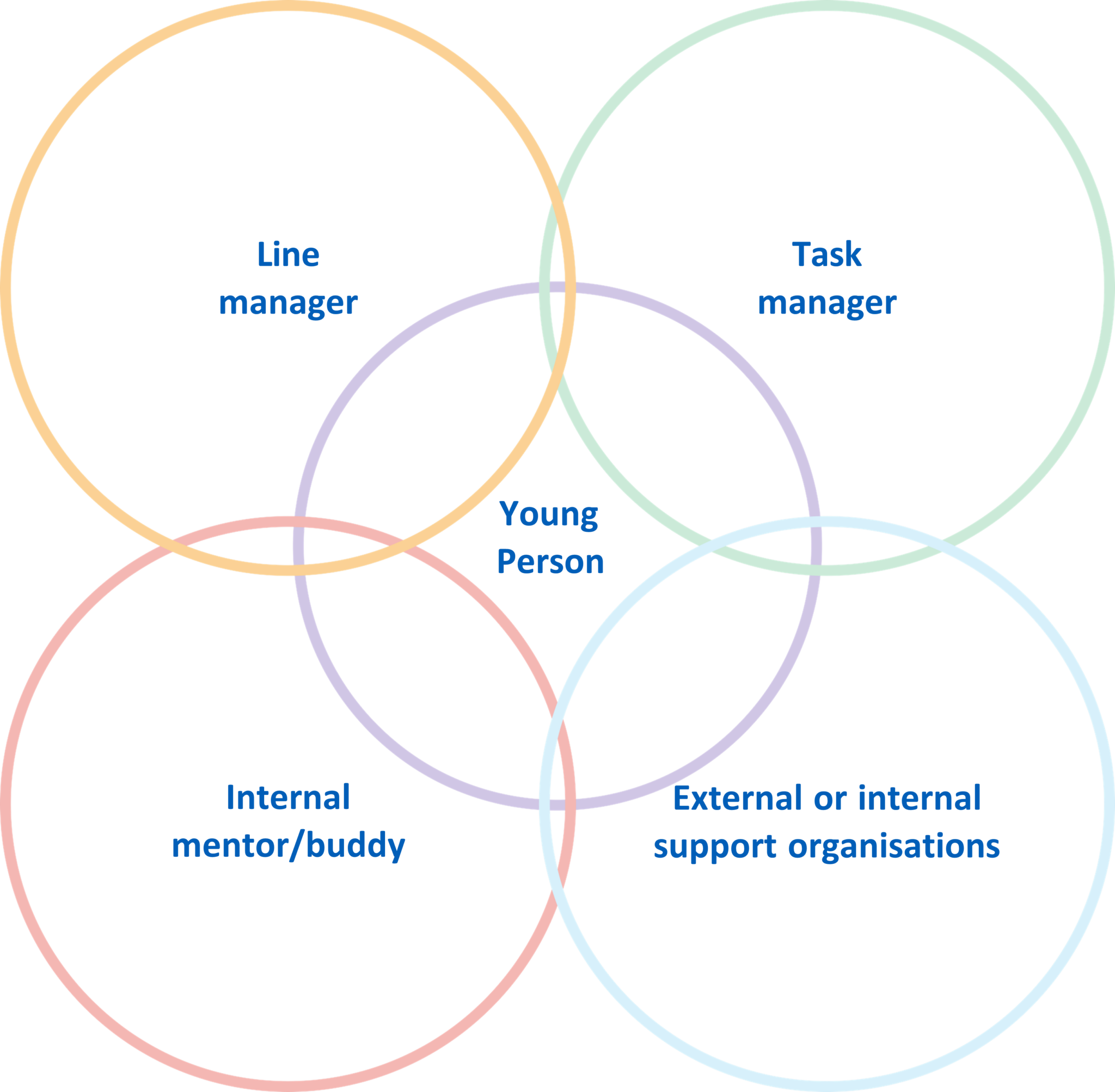
In NHS Birmingham and Solihull ICB, where James began his journey, they've created a regular internal communication network with representatives who can offer support, advice, and guidance on wellbeing, HR matters, recruitment, and EDI initiatives.
The conventional NHS recruitment process—formal and possibly overwhelming—has been intentionally adjusted. Job advertisements now highlight character attributes rather than numerous requirements. Applications have been reimagined to consider the particular difficulties care leavers might encounter—from missing employment history to struggling with internet access.
Perhaps most significantly, the Programme understands that entering the workforce can create specific difficulties for care leavers who may be navigating autonomy without the safety net of family resources. Concerns like commuting fees, proper ID, and financial services—assumed basic by many—can become significant barriers.
The brilliance of the Programme lies in its meticulous consideration—from clarifying salary details to helping with commuting costs until that critical first wage disbursement. Even seemingly minor aspects like coffee breaks and professional behavior are carefully explained.
For James, whose professional path has "revolutionized" his life, the Programme offered more than work. It offered him a feeling of connection—that elusive quality that emerges when someone senses worth not despite their past but because their particular journey improves the workplace.
"Working for the NHS isn't just about doctors and nurses," James observes, his eyes reflecting the subtle satisfaction of someone who has secured his position. "It's about a collective of different jobs and roles, a family of people who really connect."
The NHS Universal Family Programme embodies more than an work program. It exists as a powerful statement that organizations can change to embrace those who have experienced life differently. In doing so, they not only alter individual futures but improve their services through the distinct viewpoints that care leavers bring to the table.
As James moves through the hospital, his presence silently testifies that with the right help, care leavers can flourish in environments once considered beyond reach. The arm that the NHS has provided through this Programme signifies not charity but recognition of overlooked talent and the profound truth that everyone deserves a support system that supports their growth.