


업체명 : NHS: Belonging in White Corridors
페이지 정보
담당자 Lon 작성일25-09-10 05:56관련링크
본문
Within the bustling halls of an NHS hospital in Birmingham, a young man named James Stokes carries himself with the measured poise of someone who has found his place. His oxford shoes barely make a sound as he greets colleagues—some by name, others with the comfortable currency of a "how are you."
James wears his NHS lanyard not merely as a security requirement but as a testament of inclusion. It rests against a neatly presented outfit that offers no clue of the tumultuous journey that led him to this place.
What distinguishes James from many of his colleagues is not immediately apparent. His demeanor gives away nothing of the fact that he was among the first beneficiaries of the NHS Universal Family Programme—an effort created purposefully for young people who have spent time in care.
"I found genuine support within the NHS structure," James reflects, his voice steady but revealing subtle passion. His remark encapsulates the heart of a programme that seeks to transform how the massive healthcare system approaches care leavers—those frequently marginalized young people aged 16-25 who have graduated out of the care system.
The figures reveal a challenging reality. Care leavers often face higher rates of mental health issues, money troubles, accommodation difficulties, and lower academic success compared to their contemporaries. Behind these cold statistics are personal narratives of young people who have maneuvered through a system that, despite good efforts, regularly misses the mark in delivering the supportive foundation that shapes most young lives.
The NHS Universal Family Programme, initiated in January 2023 following NHS England's commitment to the Care Leaver Covenant, embodies a significant change in systemic approach. Fundamentally, it recognizes that the whole state and civil society should function as a "universal family" for those who haven't experienced the security of a traditional family setting.
A select group of healthcare regions across England have charted the course, creating frameworks that rethink how the NHS—one of Europe's largest employers—can extend opportunities to care leavers.
The Programme is meticulous in its strategy, starting from detailed evaluations of existing practices, creating management frameworks, and obtaining leadership support. It recognizes that meaningful participation requires more than good intentions—it demands practical measures.
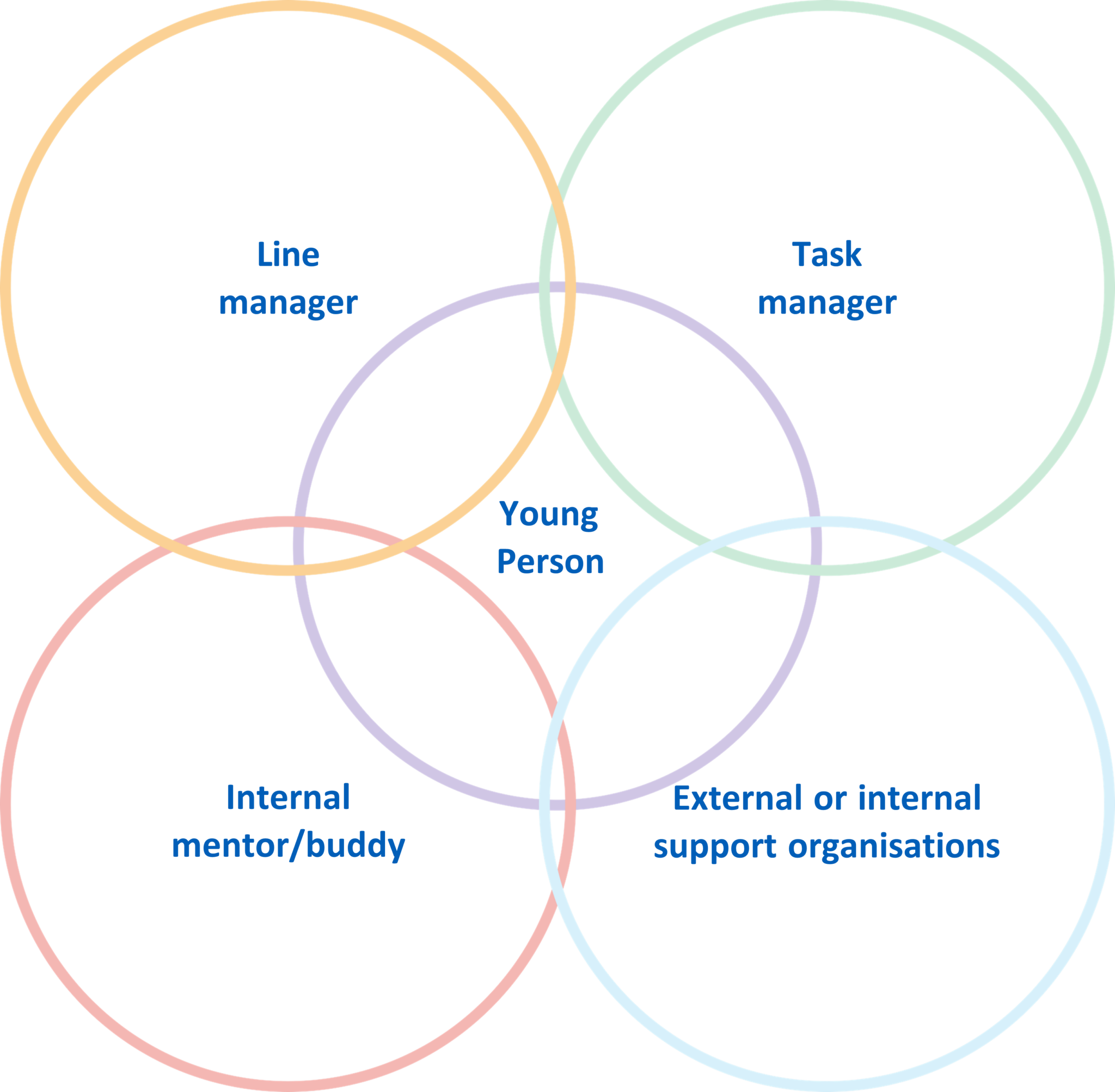
In NHS Birmingham and Solihull ICB, where James started his career, they've established a consistent support system with representatives who can offer help and direction on personal welfare, HR matters, recruitment, and equality, diversity, and inclusion.
The traditional NHS recruitment process—rigid and potentially intimidating—has been thoughtfully adapted. Job advertisements now focus on personal qualities rather than long lists of credentials. Application procedures have been redesigned to address the unique challenges care leavers might experience—from missing employment history to struggling with internet access.
Maybe most importantly, the Programme acknowledges that starting a job can create specific difficulties for care leavers who may be handling self-sufficiency without the support of familial aid. Issues like transportation costs, identification documents, and banking arrangements—considered standard by many—can become significant barriers.
The brilliance of the Programme lies in its meticulous consideration—from outlining compensation information to offering travel loans until that crucial first salary payment. Even seemingly minor aspects like rest periods and professional behavior are deliberately addressed.
For James, whose career trajectory has "changed" his life, the Programme offered more than employment. It gave him a sense of belonging—that elusive quality that emerges when someone is appreciated not despite their history but because their particular journey improves the workplace.
"Working for the NHS isn't just about doctors and nurses," James comments, his gaze showing the quiet pride of someone who has discovered belonging. "It's about a community of different jobs and roles, a team of people who genuinely care."
The NHS Universal Family Programme represents more than an work program. It exists as a bold declaration that systems can evolve to include those who have known different challenges. In doing so, they not only transform individual lives but enrich themselves through the distinct viewpoints that care leavers bring to the table.
As James walks the corridors, his presence silently testifies that with the right help, care leavers can flourish in environments once thought inaccessible. The embrace that the NHS has offered through this Programme signifies not charity but appreciation of untapped potential and the profound truth that everyone deserves a support system that supports their growth.