


업체명 : NHS: A Universal Embrace
페이지 정보
담당자 Howard Meudell 작성일25-09-11 02:53관련링크
본문
Within the bustling halls of an NHS hospital in Birmingham, a young man named James Stokes carries himself with the measured poise of someone who has found his place. His smart shoes barely make a sound as he exchanges pleasantries with colleagues—some by name, others with the universal currency of a "good morning."

James displays his credentials not merely as a security requirement but as a testament of acceptance. It sits against a well-maintained uniform that offers no clue of the tumultuous journey that brought him here.
What sets apart James from many of his colleagues is not immediately apparent. His demeanor gives away nothing of the fact that he was among the first participants of the NHS Universal Family Programme—an undertaking designed specifically for young people who have experienced life in local authority care.
"The Programme embraced me when I needed it most," James reflects, his voice steady but revealing subtle passion. His remark summarizes the heart of a programme that aims to revolutionize how the massive healthcare system views care leavers—those often overlooked young people aged 16-25 who have emerged from the care system.
The figures tell a troubling story. Care leavers commonly experience poorer mental health outcomes, financial instability, accommodation difficulties, and diminished educational achievements compared to their peers. Beneath these cold statistics are personal narratives of young people who have navigated a system that, despite best intentions, regularly misses the mark in offering the nurturing environment that shapes most young lives.
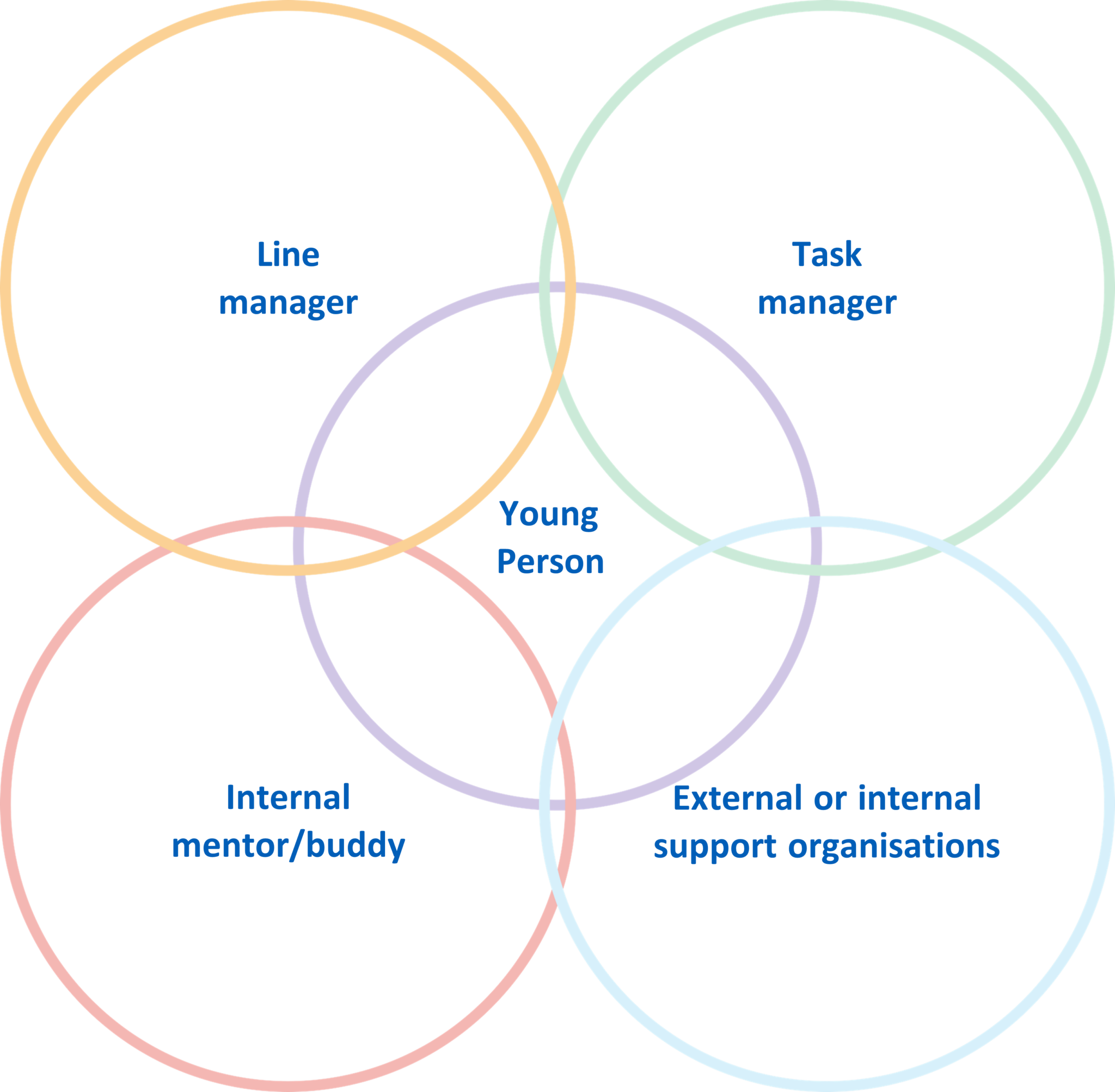
The NHS Universal Family Programme, launched in January 2023 following NHS England's commitment to the Care Leaver Covenant, signifies a substantial transformation in systemic approach. Fundamentally, it acknowledges that the whole state and civil society should function as a "communal support system" for those who haven't known the security of a typical domestic environment.
A select group of healthcare regions across England have blazed the trail, developing structures that reimagine how the NHS—one of Europe's largest employers—can open its doors to care leavers.
The Programme is meticulous in its strategy, initiating with comprehensive audits of existing procedures, creating governance structures, and securing senior buy-in. It understands that effective inclusion requires more than lofty goals—it demands tangible actions.
In NHS Birmingham and Solihull ICB, where James found his footing, they've developed a consistent support system with representatives who can offer help and direction on mental health, HR matters, recruitment, and EDI initiatives.
The traditional NHS recruitment process—structured and possibly overwhelming—has been carefully modified. Job advertisements now focus on personal qualities rather than long lists of credentials. Application procedures have been reconsidered to consider the particular difficulties care leavers might experience—from lacking professional references to having limited internet access.
Perhaps most significantly, the Programme understands that entering the workforce can create specific difficulties for care leavers who may be navigating autonomy without the support of family resources. Issues like commuting fees, proper ID, and financial services—considered standard by many—can become substantial hurdles.
The elegance of the Programme lies in its thorough planning—from clarifying salary details to offering travel loans until that essential first salary payment. Even ostensibly trivial elements like rest periods and office etiquette are deliberately addressed.
For James, whose career trajectory has "transformed" his life, the Programme delivered more than work. It gave him a perception of inclusion—that ineffable quality that grows when someone feels valued not despite their history but because their unique life experiences enhances the organization.
"Working for the NHS isn't just about doctors and nurses," James observes, his expression revealing the quiet pride of someone who has secured his position. "It's about a community of different jobs and roles, a team of people who really connect."
The NHS Universal Family Programme represents more than an work program. It functions as a strong assertion that systems can adapt to include those who have navigated different paths. In doing so, they not only transform individual lives but enrich themselves through the special insights that care leavers contribute.
As James moves through the hospital, his presence subtly proves that with the right assistance, care leavers can flourish in environments once deemed unattainable. The support that the NHS has extended through this Programme represents not charity but recognition of untapped potential and the fundamental reality that everyone deserves a community that champions their success.