


업체명 : NHS: The Family They Never Had
페이지 정보
담당자 Celesta Bolden 작성일25-10-18 09:33관련링크
본문

Within the bustling halls of an NHS hospital in Birmingham, a young man named James Stokes carries himself with the measured poise of someone who has found his place. His polished footwear barely make a sound as he exchanges pleasantries with colleagues—some by name, others with the universal currency of a "good morning."
James displays his credentials not merely as a security requirement but as a symbol of inclusion. It sits against a pressed shirt that offers no clue of the difficult path that brought him here.
What distinguishes James from many of his colleagues is not obvious to the casual observer. His demeanor gives away nothing of the fact that he was among the first recruits of the NHS Universal Family Programme—an undertaking designed specifically for young people who have experienced life in local authority care.
"It felt like the NHS was putting its arm around me," James says, his voice steady but revealing subtle passion. His statement summarizes the core of a programme that aims to reinvent how the massive healthcare system perceives care leavers—those frequently marginalized young people aged 16-25 who have graduated out of the care system.
The figures reveal a challenging reality. Care leavers often face greater psychological challenges, money troubles, shelter insecurities, and diminished educational achievements compared to their age-mates. Behind these impersonal figures are individual journeys of young people who have navigated a system that, despite best intentions, often falls short in offering the stable base that molds most young lives.
The NHS Universal Family Programme, launched in January 2023 following NHS England's promise to the Care Leaver Covenant, signifies a substantial transformation in institutional thinking. At its heart, it acknowledges that the complete state and civil society should function as a "universal family" for those who haven't experienced the constancy of a typical domestic environment.
Ten pathfinder integrated care boards across England have led the way, developing structures that reimagine how the NHS—one of Europe's largest employers—can extend opportunities to care leavers.
The Programme is detailed in its strategy, initiating with thorough assessments of existing procedures, forming governance structures, and securing leadership support. It recognizes that effective inclusion requires more than noble aims—it demands concrete steps.
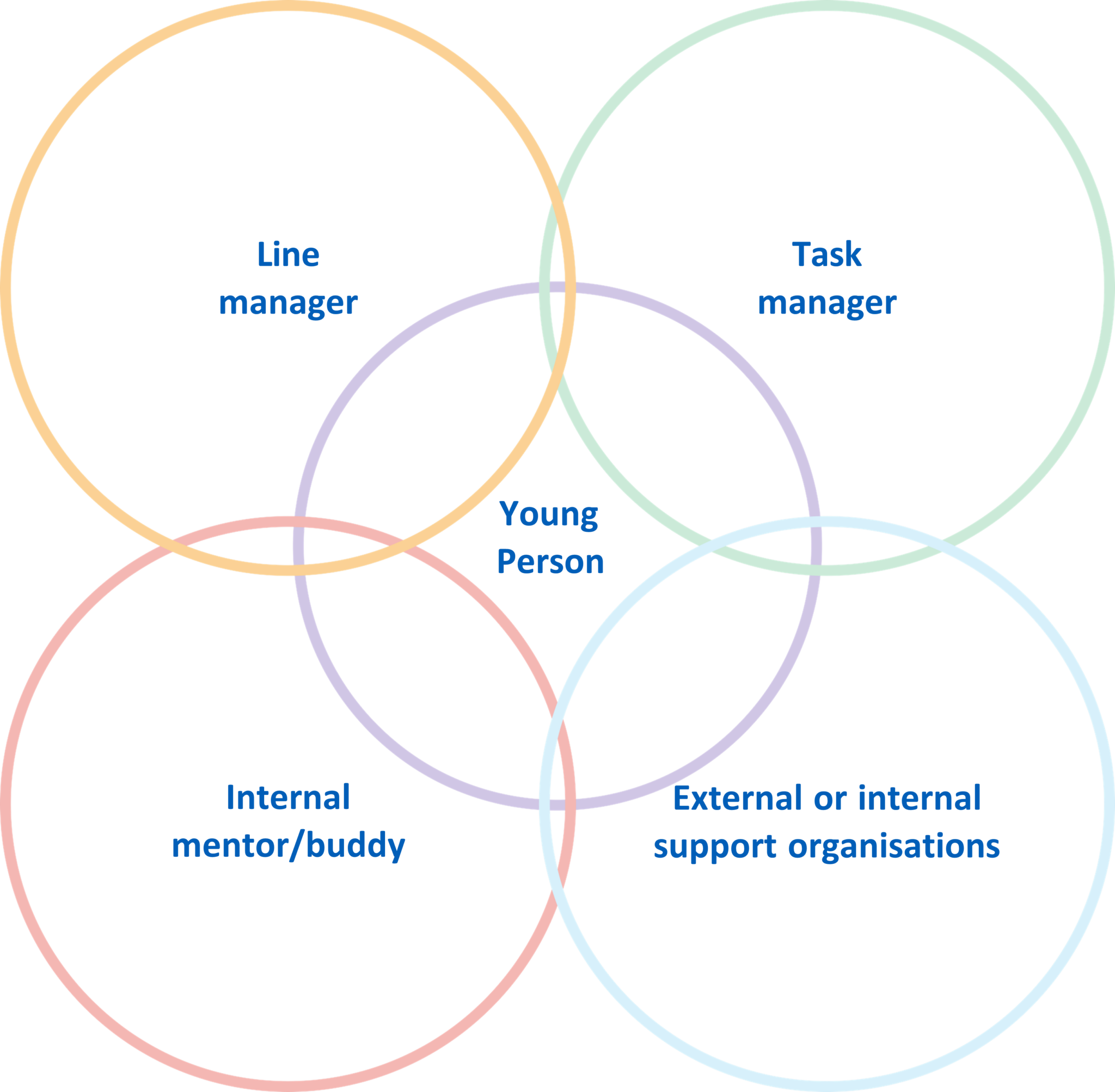
In NHS Birmingham and Solihull ICB, where James found his footing, they've established a reliable information exchange with representatives who can provide assistance and counsel on wellbeing, HR matters, recruitment, and equality, diversity, and inclusion.
The standard NHS recruitment process—rigid and possibly overwhelming—has been carefully modified. Job advertisements now emphasize attitudinal traits rather than long lists of credentials. Application processes have been reimagined to consider the unique challenges care leavers might encounter—from missing employment history to struggling with internet access.
Possibly most crucially, the Programme acknowledges that entering the workforce can present unique challenges for care leavers who may be navigating autonomy without the safety net of parental assistance. Concerns like transportation costs, personal documentation, and banking arrangements—assumed basic by many—can become significant barriers.
The beauty of the Programme lies in its attention to detail—from outlining compensation information to providing transportation assistance until that crucial first payday. Even apparently small matters like coffee breaks and professional behavior are carefully explained.
For James, whose professional path has "changed" his life, the Programme delivered more than work. It gave him a feeling of connection—that elusive quality that develops when someone is appreciated not despite their background but because their distinct perspective enriches the organization.
"Working for the NHS isn't just about doctors and nurses," James comments, his eyes reflecting the subtle satisfaction of someone who has secured his position. "It's about a community of different jobs and roles, a family of people who truly matter."
The NHS Universal Family Programme represents more than an employment initiative. It functions as a bold declaration that institutions can evolve to include those who have known different challenges. In doing so, they not only alter individual futures but enhance their operations through the special insights that care leavers bring to the table.
As James walks the corridors, his participation silently testifies that with the right support, care leavers can flourish in environments once thought inaccessible. The arm that the NHS has provided through this Programme signifies not charity but acknowledgment of untapped potential and the essential fact that everyone deserves a family that believes in them.