


업체명 : NHS: Belonging in White Corridors
페이지 정보
담당자 Caitlyn 작성일25-10-18 07:11관련링크
본문
Among the organized chaos of medical professionals in Birmingham, a young man named James Stokes navigates his daily responsibilities with subtle confidence. His polished footwear whisper against the floor as he greets colleagues—some by name, others with the familiar currency of a "hello there."
James carries his identification not merely as institutional identification but as a declaration of inclusion. It rests against a pressed shirt that gives no indication of the difficult path that led him to this place.
What sets apart James from many of his colleagues is not obvious to the casual observer. His presence reveals nothing of the fact that he was among the first beneficiaries of the NHS Universal Family Programme—an undertaking crafted intentionally for young people who have spent time in care.
"It felt like the NHS was putting its arm around me," James says, his voice measured but tinged with emotion. His observation encapsulates the heart of a programme that strives to transform how the enormous healthcare system approaches care leavers—those often overlooked young people aged 16-25 who have transitioned from the care system.
The figures reveal a challenging reality. Care leavers often face higher rates of mental health issues, money troubles, housing precarity, and lower academic success compared to their contemporaries. Beneath these impersonal figures are human stories of young people who have navigated a system that, despite best intentions, regularly misses the mark in delivering the supportive foundation that molds most young lives.
The NHS Universal Family Programme, launched in January 2023 following NHS England's promise to the Care Leaver Covenant, signifies a significant change in organizational perspective. Fundamentally, it recognizes that the whole state and civil society should function as a "collective parent" for those who haven't experienced the stability of a typical domestic environment.
A select group of healthcare regions across England have blazed the trail, creating structures that reimagine how the NHS—one of Europe's largest employers—can create pathways to care leavers.
The Programme is meticulous in its strategy, initiating with detailed evaluations of existing policies, establishing governance structures, and securing senior buy-in. It understands that meaningful participation requires more than lofty goals—it demands practical measures.
In NHS Birmingham and Solihull ICB, where James began his journey, they've created a consistent support system with representatives who can provide assistance and counsel on wellbeing, HR matters, recruitment, and inclusivity efforts.
The conventional NHS recruitment process—formal and often daunting—has been intentionally adjusted. Job advertisements now highlight character attributes rather than numerous requirements. Applications have been redesigned to consider the unique challenges care leavers might encounter—from not having work-related contacts to having limited internet access.
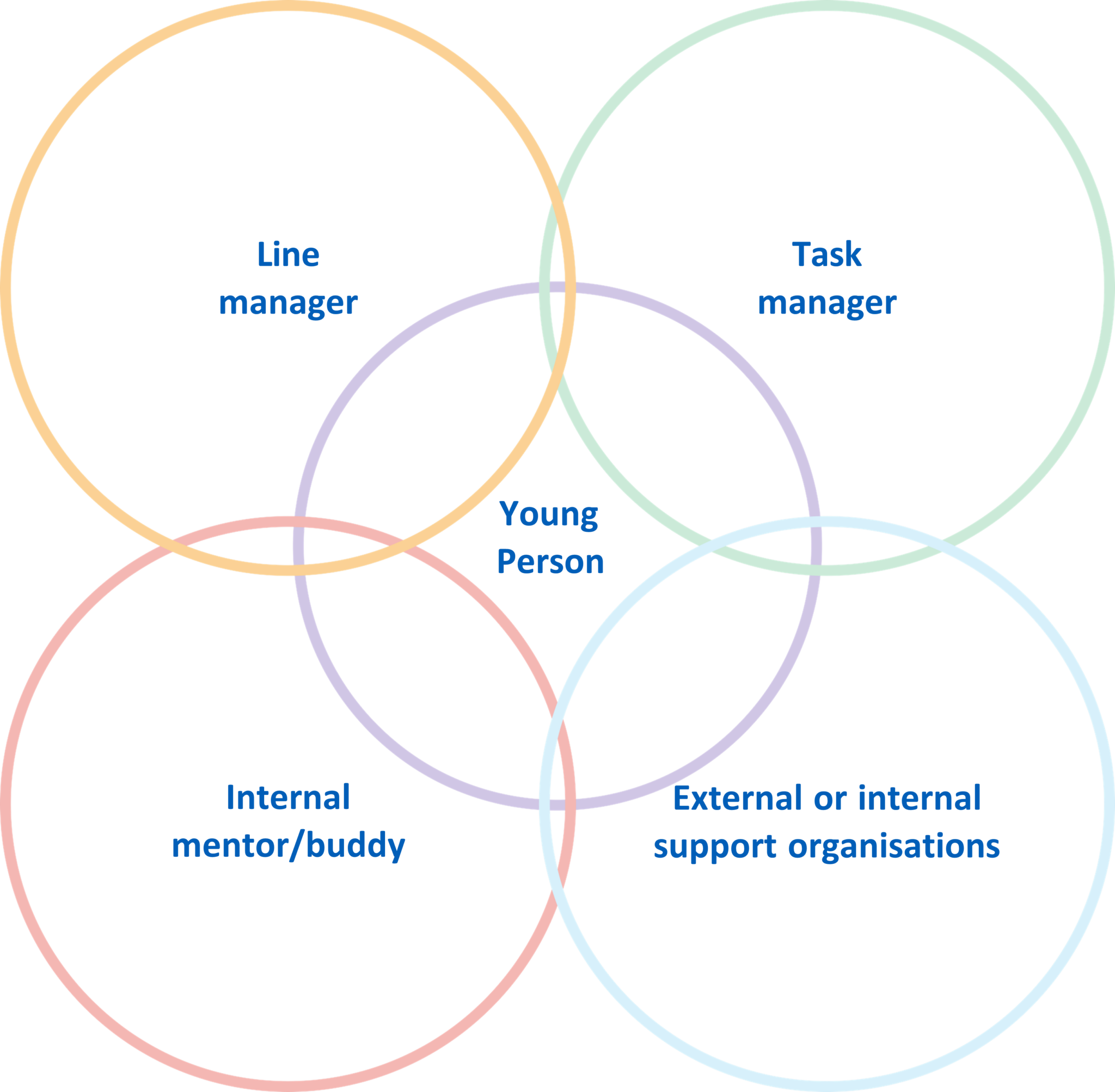
Perhaps most significantly, the Programme recognizes that starting a job can present unique challenges for care leavers who may be navigating autonomy without the backup of parental assistance. Issues like transportation costs, proper ID, and bank accounts—taken for granted by many—can become major obstacles.

The brilliance of the Programme lies in its thorough planning—from clarifying salary details to helping with commuting costs until that essential first wage disbursement. Even seemingly minor aspects like rest periods and professional behavior are thoughtfully covered.
For James, whose career trajectory has "transformed" his life, the Programme delivered more than work. It offered him a feeling of connection—that ineffable quality that grows when someone senses worth not despite their history but because their unique life experiences enhances the institution.
"Working for the NHS isn't just about doctors and nurses," James observes, his expression revealing the modest fulfillment of someone who has secured his position. "It's about a collective of different jobs and roles, a team of people who genuinely care."
The NHS Universal Family Programme embodies more than an employment initiative. It functions as a powerful statement that organizations can change to welcome those who have known different challenges. In doing so, they not only change personal trajectories but enhance their operations through the special insights that care leavers contribute.
As James navigates his workplace, his participation subtly proves that with the right assistance, care leavers can succeed in environments once thought inaccessible. The embrace that the NHS has provided through this Programme symbolizes not charity but recognition of overlooked talent and the essential fact that all people merit a community that supports their growth.