


업체명 : NHS: A Universal Embrace
페이지 정보
담당자 Trudi Kauffmann 작성일25-09-13 04:02관련링크
본문
In the sterile corridors of Birmingham Women's and Children's NHS Foundation Trust, a young man named James Stokes carries himself with the measured poise of someone who has found his place. His smart shoes barely make a sound as he greets colleagues—some by name, others with the universal currency of a "how are you."

James displays his credentials not merely as institutional identification but as a symbol of inclusion. It rests against a neatly presented outfit that betrays nothing of the challenging road that preceded his arrival.
What separates James from many of his colleagues is not immediately apparent. His bearing gives away nothing of the fact that he was among the first recruits of the NHS Universal Family Programme—an effort designed specifically for young people who have experienced life in local authority care.
"I found genuine support within the NHS structure," James explains, his voice measured but revealing subtle passion. His statement encapsulates the core of a programme that strives to transform how the massive healthcare system views care leavers—those vulnerable young people aged 16-25 who have graduated out of the care system.
The numbers paint a stark picture. Care leavers often face poorer mental health outcomes, financial instability, shelter insecurities, and diminished educational achievements compared to their contemporaries. Behind these impersonal figures are human stories of young people who have navigated a system that, despite good efforts, often falls short in offering the supportive foundation that forms most young lives.
The NHS Universal Family Programme, established in January 2023 following NHS England's promise to the Care Leaver Covenant, signifies a significant change in systemic approach. At its heart, it accepts that the entire state and civil society should function as a "collective parent" for those who haven't known the security of a typical domestic environment.
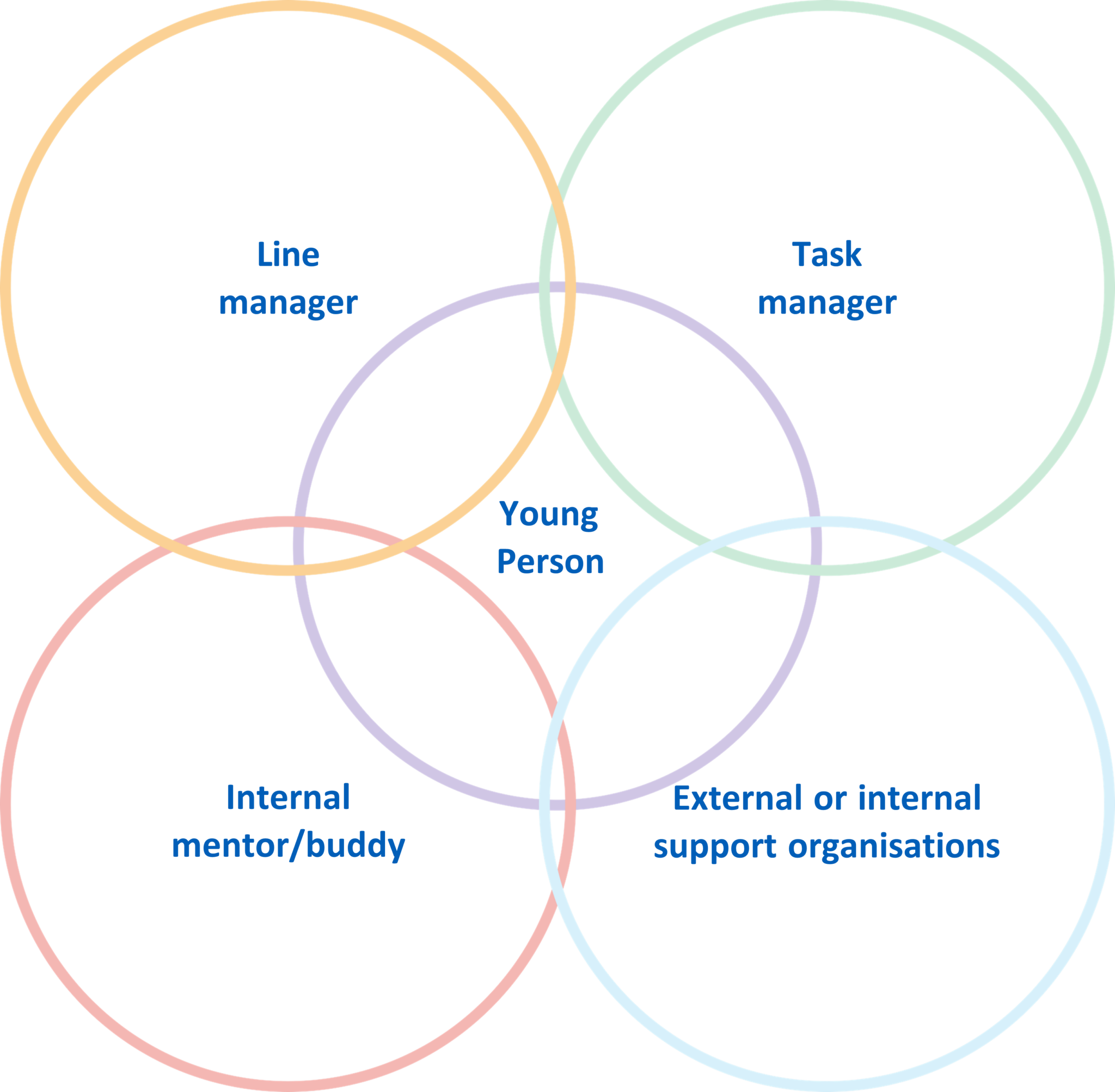
Ten pioneering healthcare collectives across England have charted the course, creating structures that reimagine how the NHS—one of Europe's largest employers—can extend opportunities to care leavers.
The Programme is detailed in its approach, initiating with detailed evaluations of existing procedures, establishing management frameworks, and obtaining executive backing. It recognizes that effective inclusion requires more than noble aims—it demands concrete steps.
In NHS Birmingham and Solihull ICB, where James began his journey, they've established a reliable information exchange with representatives who can provide support, advice, and guidance on wellbeing, HR matters, recruitment, and equality, diversity, and inclusion.
The traditional NHS recruitment process—rigid and often daunting—has been thoughtfully adapted. Job advertisements now emphasize attitudinal traits rather than extensive qualifications. Applications have been redesigned to consider the specific obstacles care leavers might face—from lacking professional references to having limited internet access.
Perhaps most significantly, the Programme acknowledges that entering the workforce can pose particular problems for care leavers who may be handling self-sufficiency without the safety net of family resources. Issues like travel expenses, personal documentation, and bank accounts—considered standard by many—can become major obstacles.
The elegance of the Programme lies in its thorough planning—from explaining payslip deductions to offering travel loans until that crucial first salary payment. Even ostensibly trivial elements like coffee breaks and professional behavior are thoughtfully covered.
For James, whose NHS journey has "revolutionized" his life, the Programme delivered more than employment. It gave him a sense of belonging—that intangible quality that develops when someone feels valued not despite their background but because their unique life experiences enriches the workplace.
"Working for the NHS isn't just about doctors and nurses," James observes, his eyes reflecting the quiet pride of someone who has secured his position. "It's about a collective of different jobs and roles, a team of people who truly matter."
The NHS Universal Family Programme embodies more than an job scheme. It functions as a bold declaration that organizations can evolve to welcome those who have navigated different paths. In doing so, they not only transform individual lives but enhance their operations through the unique perspectives that care leavers bring to the table.
As James navigates his workplace, his participation quietly demonstrates that with the right support, care leavers can thrive in environments once deemed unattainable. The support that the NHS has extended through this Programme symbolizes not charity but recognition of untapped potential and the fundamental reality that all people merit a community that believes in them.