


업체명 : NHS: A Universal Embrace
페이지 정보
담당자 Wilson 작성일25-09-13 16:17관련링크
본문
Among the organized chaos of medical professionals in Birmingham, a young man named James Stokes carries himself with the measured poise of someone who has found his place. His polished footwear move with deliberate precision as he exchanges pleasantries with colleagues—some by name, others with the universal currency of a "how are you."
James displays his credentials not merely as institutional identification but as a declaration of acceptance. It sits against a well-maintained uniform that offers no clue of the difficult path that led him to this place.
What sets apart James from many of his colleagues is not immediately apparent. His bearing gives away nothing of the fact that he was among the first recruits of the NHS Universal Family Programme—an initiative crafted intentionally for young people who have experienced life in local authority care.
"It felt like the NHS was putting its arm around me," James explains, his voice controlled but tinged with emotion. His observation summarizes the heart of a programme that aims to reinvent how the massive healthcare system views care leavers—those frequently marginalized young people aged 16-25 who have graduated out of the care system.
The numbers paint a stark picture. Care leavers commonly experience greater psychological challenges, money troubles, accommodation difficulties, and reduced scholarly attainment compared to their peers. Behind these cold statistics are human stories of young people who have navigated a system that, despite genuine attempts, often falls short in offering the nurturing environment that forms most young lives.
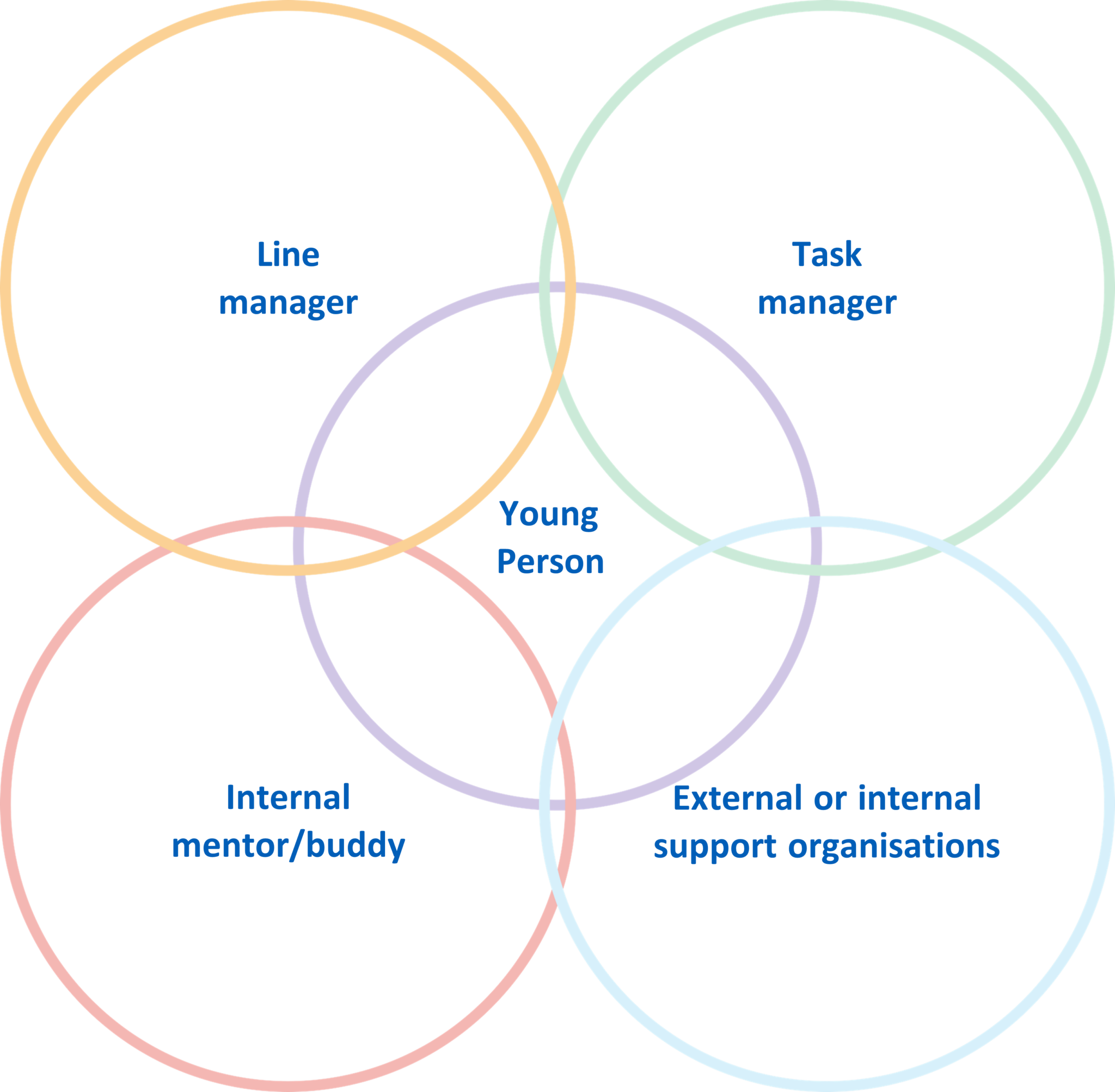
The NHS Universal Family Programme, launched in January 2023 following NHS England's pledge to the Care Leaver Covenant, signifies a profound shift in institutional thinking. At its heart, it recognizes that the entire state and civil society should function as a "communal support system" for those who have missed out on the stability of a typical domestic environment.
Ten pioneering healthcare collectives across England have charted the course, developing structures that reconceptualize how the NHS—one of Europe's largest employers—can open its doors to care leavers.

The Programme is detailed in its methodology, starting from comprehensive audits of existing procedures, forming oversight mechanisms, and obtaining senior buy-in. It understands that successful integration requires more than noble aims—it demands practical measures.
In NHS Birmingham and Solihull ICB, where James started his career, they've created a regular internal communication network with representatives who can deliver support, advice, and guidance on mental health, HR matters, recruitment, and EDI initiatives.
The conventional NHS recruitment process—rigid and often daunting—has been intentionally adjusted. Job advertisements now emphasize attitudinal traits rather than extensive qualifications. Application processes have been redesigned to accommodate the unique challenges care leavers might face—from not having work-related contacts to having limited internet access.
Possibly most crucially, the Programme understands that starting a job can create specific difficulties for care leavers who may be managing independent living without the support of parental assistance. Concerns like transportation costs, proper ID, and financial services—taken for granted by many—can become significant barriers.
The elegance of the Programme lies in its attention to detail—from explaining payslip deductions to providing transportation assistance until that critical first payday. Even seemingly minor aspects like break times and professional behavior are carefully explained.
For James, whose career trajectory has "revolutionized" his life, the Programme provided more than employment. It provided him a perception of inclusion—that elusive quality that emerges when someone feels valued not despite their past but because their unique life experiences enriches the organization.
"Working for the NHS isn't just about doctors and nurses," James notes, his expression revealing the modest fulfillment of someone who has secured his position. "It's about a collective of different jobs and roles, a team of people who genuinely care."
The NHS Universal Family Programme embodies more than an work program. It stands as a bold declaration that organizations can change to embrace those who have known different challenges. In doing so, they not only change personal trajectories but improve their services through the special insights that care leavers bring to the table.
As James walks the corridors, his presence quietly demonstrates that with the right help, care leavers can thrive in environments once deemed unattainable. The embrace that the NHS has offered through this Programme represents not charity but acknowledgment of hidden abilities and the profound truth that all people merit a support system that champions their success.