


업체명 : 14 Cartoons About Headphones To Brighten Your Day
페이지 정보
담당자 Kaylene 작성일24-01-13 18:52관련링크
본문
제품명 :
제품코드 :
옵션 :
---------------------------------------
업체명 : 14 Cartoons About Headphones To Brighten Your Day
담당자 : Kaylene
직책 : BH
전화번호 : EA
휴대폰 : CE
이메일 : kaylenemunson@orange.fr
---------------------------------------
문의내용 :
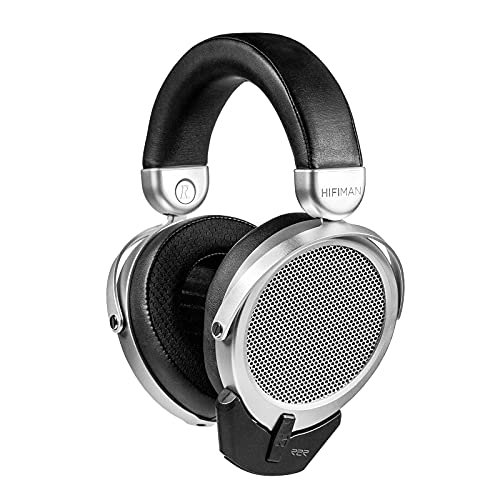 How to Choose the Best Headphones
Headphones allow you to listen to music without causing disturbance to other people. With so many options, it's difficult to select the perfect pair for you.
Studies have proven that listening music at work can increase productivity. Using headphones to keep distractions at bay can aid in concentration.
Comfort
It is important to have headphones you can wear for a long duration. The headphones that are too tight can cause discomfort in the ears or around the head, particularly when used for prolonged gaming sessions or listening to music.
The level of comfort can depend on the shape and size of the head, therefore it is crucial to try the headphones before purchasing them. If you are not able to test the headphones in person, check the return policy of the store you purchase them from. Many retailers offer hassle-free returns and exchanges for products that you purchase online.
Comfortable headphones are usually ones with plenty of padding and materials that feel soft to the feel. The padding is crucial for headphones that rest on your ears and head. It helps distribute pressure evenly. We look for padding that is dense, luxurious, soft and smooth to the sensation. Pads made of mesh fabric, plastic or foam are less likely to be as comfortable as pads that are covered in soft synthetic velour, breathable velour, or faux leather.
Another important aspect of comfort is the way the earphones fit the ears. Earphones with fixed ear cups tend to have more issues in this area due to the fact that they create an unnatural and rigid clamping force on the ears that can cause fatigue and discomfort after prolonged use. The most effective earcup design allows the pads to move horizontally and laterally on the ear. This allows them to have some flexibility.
It is also an excellent idea to stay clear of headphones that are overly tight on the head, since this can cause a headache. This could be due the weight of the headphone pushing into the scalp or the tightness of the headband. It can also be caused by poorly-designed ear cups which are not placed in the correct position. After prolonged use, headphones with loose padding can become uncomfortable as the padding wears down or shifts.
Noise-Cancelling
Noise cancelling headphones are the best option for listening to podcasts, music, or audiobooks, or make calls while at work. These headphones feature well-designed ear cups to block out any ambient noises and are available in both over-ear and in-ear (aka earbuds) options. They feature built-in microphones to enable you to communicate with other users, too.
The noise-canceling abilities of headphones are based on two technologies that operate in different ways. They are passive noise isolation and noise cancellation. While both technologies can reduce background noise, each has its own advantages and disadvantages.
The most well-known type of noise cancellation is passive noise isolation, which is the creation of a physical barrier to block out external noise. These are the big heavy headphones that wrap around your ears, and come with extra padding to block out the sound of your surroundings. These headphones aren't as flexible, and you are unable to take them off to see what's going on around you.
In-ear and over-ear noise-canceling headphones are more complicated, since the technology must be implemented in the ear cup and also into the electronics. Noise-canceling headsets feature processors and microphones that monitor the environment using sensors that are built into the. The microphones listen for sounds and analyze them using the onboard software. The processors create a "fingerprint" of the noise and create an anti-sound wave, which is played back to cancel the ambient sound.
This is accomplished by creating a wave 180 degrees out of phase with the sound that is coming in, therefore it cancels it out so you only hear your audio. The sound that is blocked gets fed into the headphones speakers, which play the sound over your normal audio.
The most advanced headphones feature an onboard sensor that monitors the surrounding environment and adjusts noise cancellation accordingly. The amount of ANC can be adjusted using an adjustment knob in the headphones app or on the device itself. It can be completely turned off to allow you to hear what's happening around you. This technology is particularly effective for reducing low-frequency sounds, like the sound of airplane engines or traffic on the highway. Higher-frequency sounds, such as the sound of a conversation or a sneeze aren't as responsive to noise-canceling technology and cannot be slowed down effectively at all.
Immersion
Headphones are electroacoustic devices worn on or around a user's head to transmit and amplify audio signals. They let one person hear a source of audio at a distance without disturbing anyone else in contrast to loudspeakers which broadcast sound for all to hear.
Manufacturers of headphones design them with various features to satisfy different user needs. Certain headphones have microphones that allow two-way communication and active noise cancellation that reduces background noise while listening to music or using your mobile phone. Other types of headphones use high-end audio drivers to provide audiophile-level sound quality.
Some headphone models are designed to be portable, which means they can be used away from a stationary audio equipment like a CD player, home theater system or personal computer. They are often compact enough to fit in a bag, carry-on luggage or travel case. They may also be powered by batteries. They also have the ability to connect to other devices with an earphone jack that is standard, including mobile phones and personal digital assistants (PDAs).
Different types of headphones can block ambient sound by removing them from the ear through active or passive noise cancellation. Noise isolation is common in over-ear, circumaural and closed-back designs. Active noise cancellation is only available with closed-back headphones. Other types of Headphones Shop are able to block out external noises through the vibration of their inner ear. Bone conduction headphones are one example.
In addition to their capability to reproduce sub-bass and bass frequencies, headphones can also provide a level of sound fidelity that is higher than loudspeakers, due to their direct connection with the human ear. They are usually smaller, and the earphone diaphragms may be smaller than the diaphragms of a speaker which enables them to move a larger volume of air to create the same sound quality.
Bone conduction headphones do not have the traditional headband or ear cup shape they instead use bone-conducting technology that transmits audio signals to the inner ear via the bones of the cheek and Headphones Shop jawbone. They're a good alternative to traditional headphones in noisy environments where it's important that the ears remain unobstructed for example, at the library in a public space or riding on a plane.
Health
In a world filled with products designed to catch your attention headphones can help you to block out distracting sounds and stay focused on your task at work. This increase in productivity can boost your mood and allow you to succeed in completing a tedious job or a day at work.
Headphones can be used to listen to audiobooks or podcasts. They are useful for language learners that need to hear the words being spoken. They can also be helpful for people who have trouble falling asleep in a noisy environment.
There are some health issues associated with headphones, but. Too loud sounds can cause hearing damage and the long-term use of headphones can lead to tinnitus. To avoid the consequences, limit the time you spend listening to music using headphones and listen at a reasonable level.
Many people have experienced vertigo or dizziness after using active noise cancelling headphones (ANC). This is because the absence of sound can disturb the balance mechanism in your ears. This helps your brain to determine where your body is located in space.
There are many advantages of headphones, you should think about whether they are suitable for your workplace. You may have to communicate with colleagues or customers in the course of your work. Wearing headphones can make it difficult for you to do this. There are also safety issues when using headphones at work.
Headphones can lead to shoulder, neck back and neck problems when worn for extended periods of time. This is because you tend to keep the device close to your head, which could create unnecessary strain on these regions of your body. A study conducted by headset maker Plantronics found that headset users experience 35 percent more shoulder and neck strain than non-headset users.
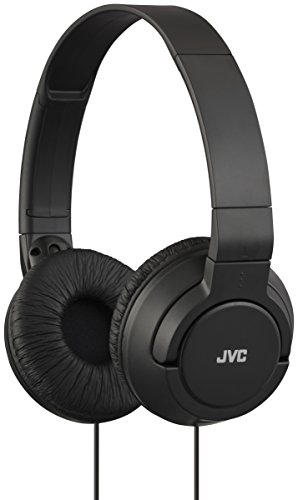 Another issue with headphones is that they can expose you to EMF radiation. The headphones with wires feature a plug that connects to an audio source. The audio then travels through metal wires before settling into plastic hubs that house external speakers. The headsets emit a low-energy form of electromagnetic radiation that could be harmful to your health. Air tube headphones reduce your EMF exposure by removing the cables made of metal.
How to Choose the Best HeadphonesHeadphones allow you to listen to music without causing disturbance to other people. With so many options, it's difficult to select the perfect pair for you.
Studies have proven that listening music at work can increase productivity. Using headphones to keep distractions at bay can aid in concentration.
Comfort
It is important to have headphones you can wear for a long duration. The headphones that are too tight can cause discomfort in the ears or around the head, particularly when used for prolonged gaming sessions or listening to music.
The level of comfort can depend on the shape and size of the head, therefore it is crucial to try the headphones before purchasing them. If you are not able to test the headphones in person, check the return policy of the store you purchase them from. Many retailers offer hassle-free returns and exchanges for products that you purchase online.
Comfortable headphones are usually ones with plenty of padding and materials that feel soft to the feel. The padding is crucial for headphones that rest on your ears and head. It helps distribute pressure evenly. We look for padding that is dense, luxurious, soft and smooth to the sensation. Pads made of mesh fabric, plastic or foam are less likely to be as comfortable as pads that are covered in soft synthetic velour, breathable velour, or faux leather.
Another important aspect of comfort is the way the earphones fit the ears. Earphones with fixed ear cups tend to have more issues in this area due to the fact that they create an unnatural and rigid clamping force on the ears that can cause fatigue and discomfort after prolonged use. The most effective earcup design allows the pads to move horizontally and laterally on the ear. This allows them to have some flexibility.
It is also an excellent idea to stay clear of headphones that are overly tight on the head, since this can cause a headache. This could be due the weight of the headphone pushing into the scalp or the tightness of the headband. It can also be caused by poorly-designed ear cups which are not placed in the correct position. After prolonged use, headphones with loose padding can become uncomfortable as the padding wears down or shifts.
Noise-Cancelling
Noise cancelling headphones are the best option for listening to podcasts, music, or audiobooks, or make calls while at work. These headphones feature well-designed ear cups to block out any ambient noises and are available in both over-ear and in-ear (aka earbuds) options. They feature built-in microphones to enable you to communicate with other users, too.
The noise-canceling abilities of headphones are based on two technologies that operate in different ways. They are passive noise isolation and noise cancellation. While both technologies can reduce background noise, each has its own advantages and disadvantages.
The most well-known type of noise cancellation is passive noise isolation, which is the creation of a physical barrier to block out external noise. These are the big heavy headphones that wrap around your ears, and come with extra padding to block out the sound of your surroundings. These headphones aren't as flexible, and you are unable to take them off to see what's going on around you.
In-ear and over-ear noise-canceling headphones are more complicated, since the technology must be implemented in the ear cup and also into the electronics. Noise-canceling headsets feature processors and microphones that monitor the environment using sensors that are built into the. The microphones listen for sounds and analyze them using the onboard software. The processors create a "fingerprint" of the noise and create an anti-sound wave, which is played back to cancel the ambient sound.
This is accomplished by creating a wave 180 degrees out of phase with the sound that is coming in, therefore it cancels it out so you only hear your audio. The sound that is blocked gets fed into the headphones speakers, which play the sound over your normal audio.
The most advanced headphones feature an onboard sensor that monitors the surrounding environment and adjusts noise cancellation accordingly. The amount of ANC can be adjusted using an adjustment knob in the headphones app or on the device itself. It can be completely turned off to allow you to hear what's happening around you. This technology is particularly effective for reducing low-frequency sounds, like the sound of airplane engines or traffic on the highway. Higher-frequency sounds, such as the sound of a conversation or a sneeze aren't as responsive to noise-canceling technology and cannot be slowed down effectively at all.
Immersion
Headphones are electroacoustic devices worn on or around a user's head to transmit and amplify audio signals. They let one person hear a source of audio at a distance without disturbing anyone else in contrast to loudspeakers which broadcast sound for all to hear.
Manufacturers of headphones design them with various features to satisfy different user needs. Certain headphones have microphones that allow two-way communication and active noise cancellation that reduces background noise while listening to music or using your mobile phone. Other types of headphones use high-end audio drivers to provide audiophile-level sound quality.
Some headphone models are designed to be portable, which means they can be used away from a stationary audio equipment like a CD player, home theater system or personal computer. They are often compact enough to fit in a bag, carry-on luggage or travel case. They may also be powered by batteries. They also have the ability to connect to other devices with an earphone jack that is standard, including mobile phones and personal digital assistants (PDAs).
Different types of headphones can block ambient sound by removing them from the ear through active or passive noise cancellation. Noise isolation is common in over-ear, circumaural and closed-back designs. Active noise cancellation is only available with closed-back headphones. Other types of Headphones Shop are able to block out external noises through the vibration of their inner ear. Bone conduction headphones are one example.
In addition to their capability to reproduce sub-bass and bass frequencies, headphones can also provide a level of sound fidelity that is higher than loudspeakers, due to their direct connection with the human ear. They are usually smaller, and the earphone diaphragms may be smaller than the diaphragms of a speaker which enables them to move a larger volume of air to create the same sound quality.
Bone conduction headphones do not have the traditional headband or ear cup shape they instead use bone-conducting technology that transmits audio signals to the inner ear via the bones of the cheek and Headphones Shop jawbone. They're a good alternative to traditional headphones in noisy environments where it's important that the ears remain unobstructed for example, at the library in a public space or riding on a plane.
Health
In a world filled with products designed to catch your attention headphones can help you to block out distracting sounds and stay focused on your task at work. This increase in productivity can boost your mood and allow you to succeed in completing a tedious job or a day at work.
Headphones can be used to listen to audiobooks or podcasts. They are useful for language learners that need to hear the words being spoken. They can also be helpful for people who have trouble falling asleep in a noisy environment.
There are some health issues associated with headphones, but. Too loud sounds can cause hearing damage and the long-term use of headphones can lead to tinnitus. To avoid the consequences, limit the time you spend listening to music using headphones and listen at a reasonable level.
Many people have experienced vertigo or dizziness after using active noise cancelling headphones (ANC). This is because the absence of sound can disturb the balance mechanism in your ears. This helps your brain to determine where your body is located in space.
There are many advantages of headphones, you should think about whether they are suitable for your workplace. You may have to communicate with colleagues or customers in the course of your work. Wearing headphones can make it difficult for you to do this. There are also safety issues when using headphones at work.
Headphones can lead to shoulder, neck back and neck problems when worn for extended periods of time. This is because you tend to keep the device close to your head, which could create unnecessary strain on these regions of your body. A study conducted by headset maker Plantronics found that headset users experience 35 percent more shoulder and neck strain than non-headset users.
Another issue with headphones is that they can expose you to EMF radiation. The headphones with wires feature a plug that connects to an audio source. The audio then travels through metal wires before settling into plastic hubs that house external speakers. The headsets emit a low-energy form of electromagnetic radiation that could be harmful to your health. Air tube headphones reduce your EMF exposure by removing the cables made of metal.